USA
USA

 Contact
 Sales
Sales Support
 Send Request
 Search


 Login
Login



Yaskawa History
History
Yaskawa Electric has been part of the world market for over a century and continues to expand its reach year after year. From its founding in 1915 to its current presence, Yaskawa has made great strides as a corporation and with its products.
Daigorou Yasukawa established an office in Kurosaki, Kitakyushu city, with the cooperation of his elder brothers. Yaskawa Electric was established in April 1915.
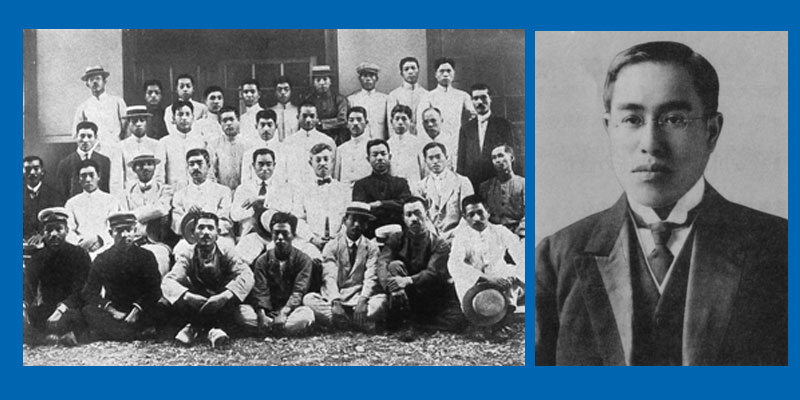
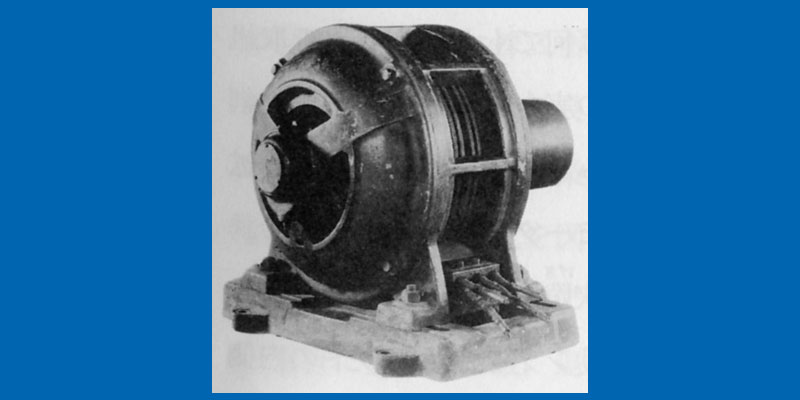
The company’s first order, “three-phase induction motor 20HP,” was delivered in 1917. Yaskawa received orders from coal mining companies for induction motors for skewer hoisting machines.
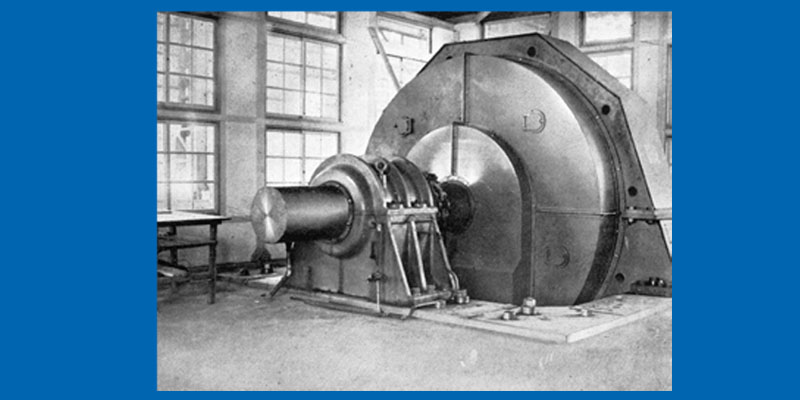
In 1935, a synchronous motor 4,000HP 250rpm for rolling machines was delivered to Yahata Steel Works, a Japanese iron manufacturer.
Yaskawa added exporting to the corporate strategy in the 1940s. In 1948, a contract for the first post-World War II export was signed.
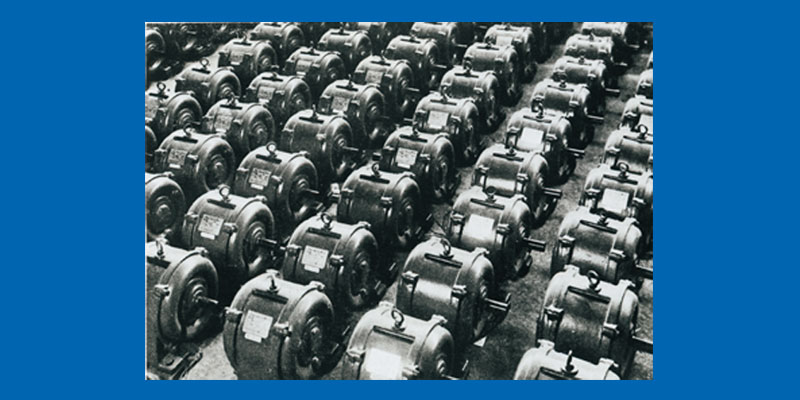
In 1950, a revolutionary and user-friendly component, the VS motor, with variable speed and remote control, was developed. The first product was embedded in a double-turn printing press.
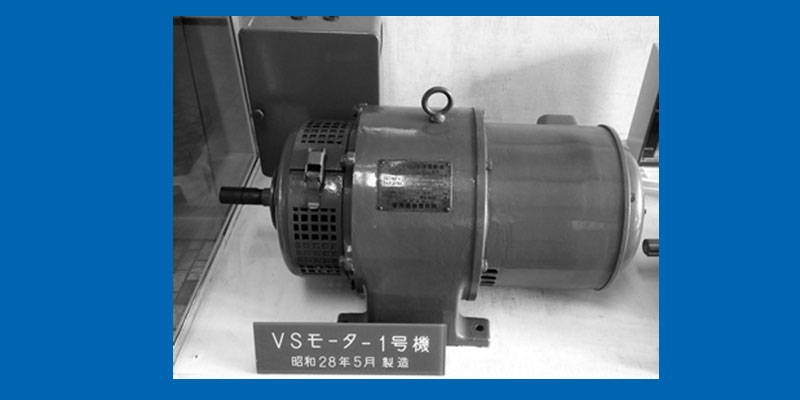
Minertia motors were invented in 1958, boosting the ability to respond quickly to control signals. This improved the reply speed a hundred times that of a conventional model. It presented the prototypic figure of the servo motor, Yaskawa’s key component.
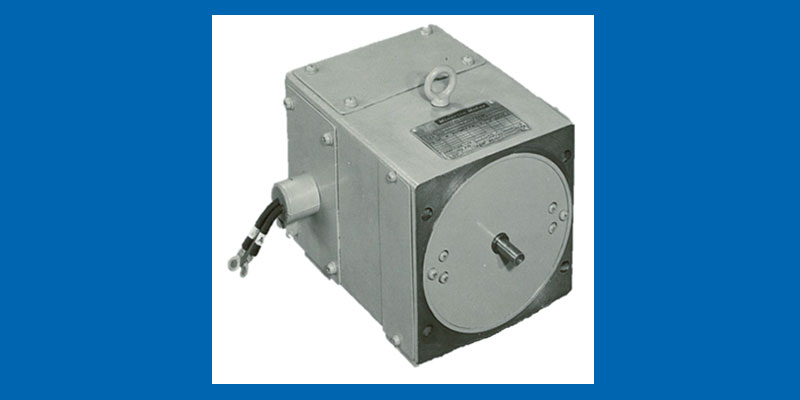
Yaskawa’s motion control technology advanced significantly in the 1960s, and Yaskawa developed many products as an applied model of small motors.
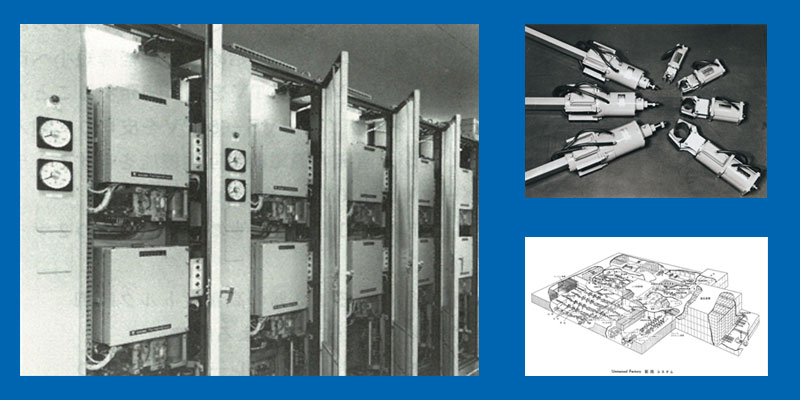
Yaskawa's legendary robot, the MOTOMAN-L10, Japan's first fully electric industrial robot, was completed in 1977 and became the basis for the current industrial robot.
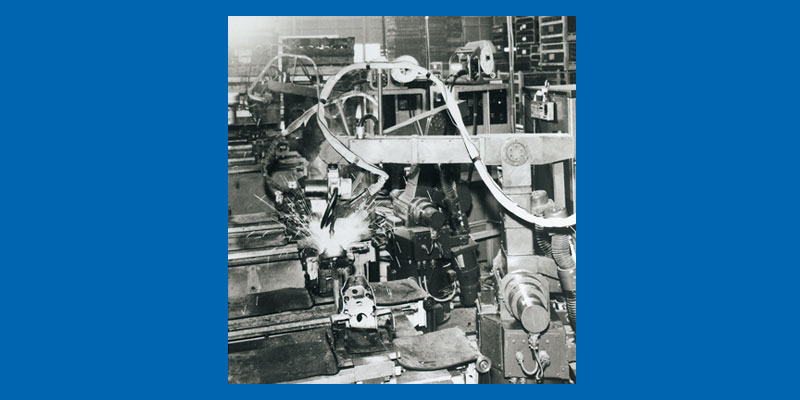
The term Mechatronics was first coined when the Ohio Service Center opened, where many Yaskawa robots and Memocon PLCs were employed.
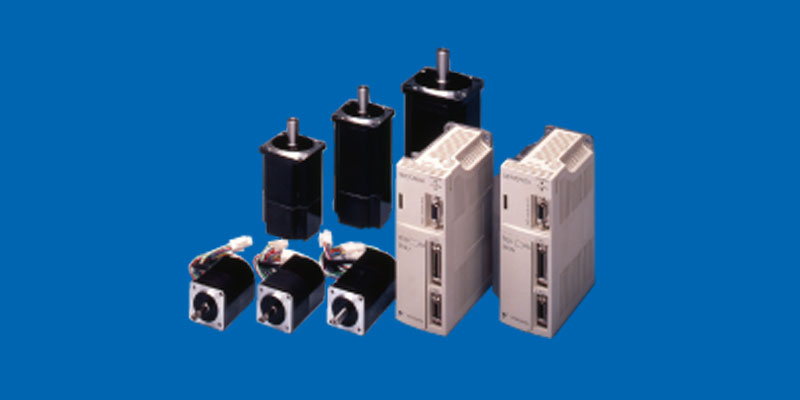
The small-volume AC servo drive Σ(Sigma) series was launched in 1992, with the goal of achieving thorough miniaturization and high performance. It became the cornerstone of the current motion control business.
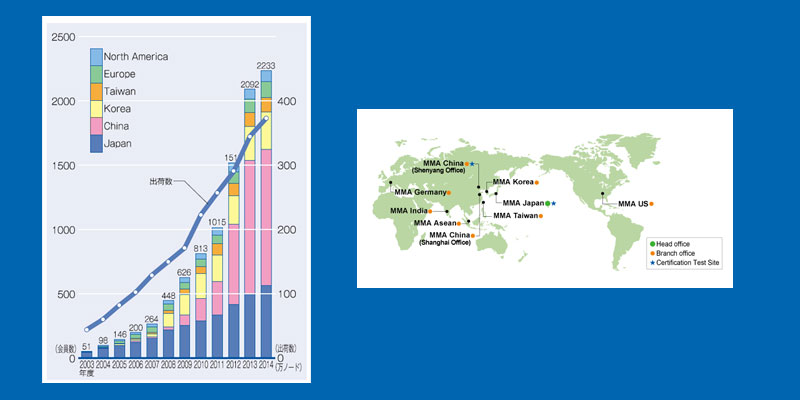
Yaskawa introduced the networked MECHATROLINK, which is suitable for motion control, and established the MECHATROLINK Members Club (MMC) in 2003.
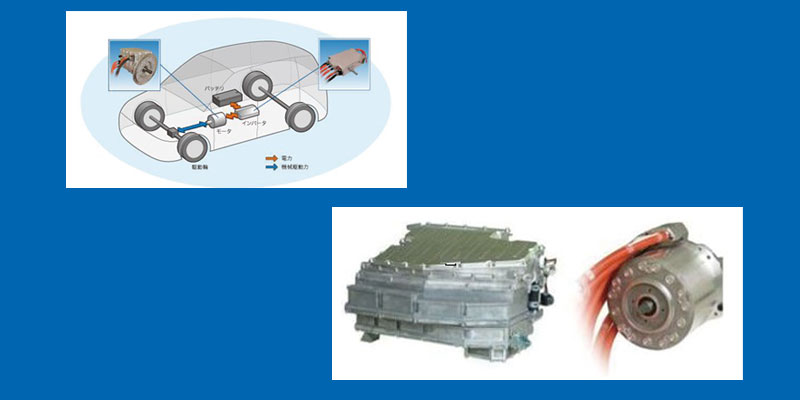
The motor drive system QMET (Qualified Magnetic Electronic Transmission) for HEV was completed in 2009. This system, which consists of a motor and power control unit, was developed utilizing motor drive technology.
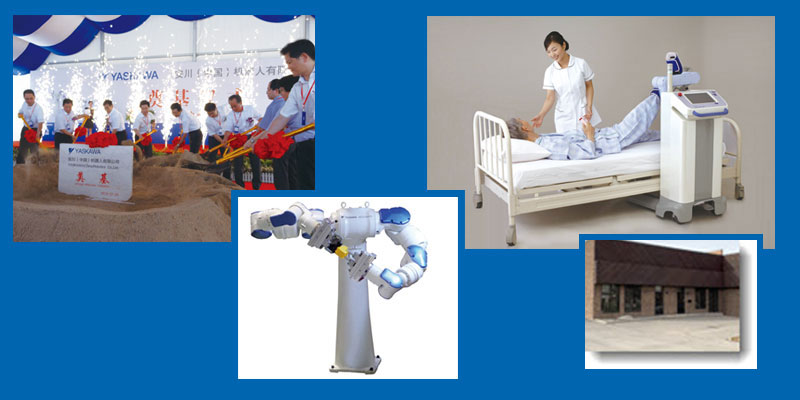
The dual-arm SDA series, a next-generation robot, was developed in 2012 to automate an assembly area. Yaskawa advanced into robotic human assistance. YASKAWA (China) Robotics Co., Ltd (YCR) is in Changzhou.
Yaskawa America strengthens its oil & gas industry presence by acquiring long-time partner Wermac Electric, forming the new Yaskawa Wermac division in Calgary, AB.
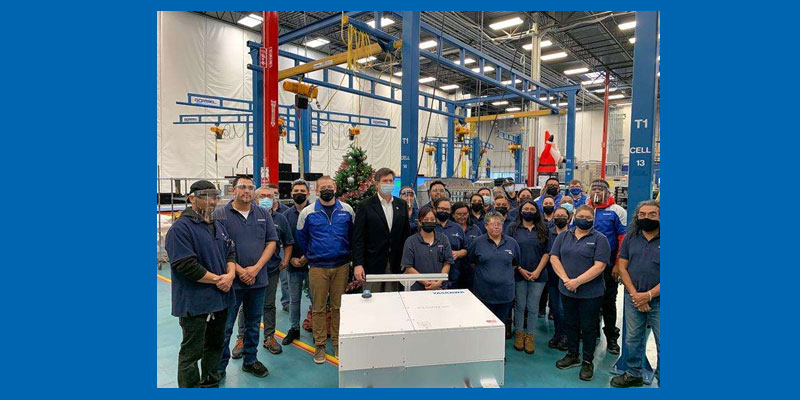
Yaskawa acquired Solectria Renewables through its U.S. subsidiary, Yaskawa America, Inc. Solectria Renewables will continue to operate as a wholly owned subsidiary of Yaskawa.
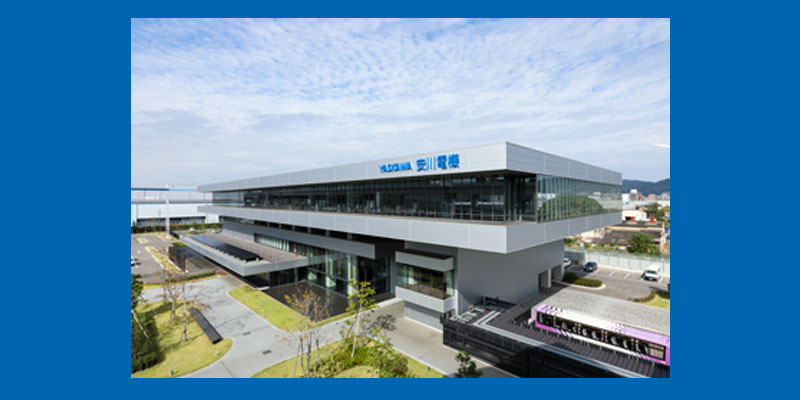
Yaskawa commemorated its 100th anniversary in 2015 with the opening of a new head office building, a robot village, and a corporate logo for the next century.
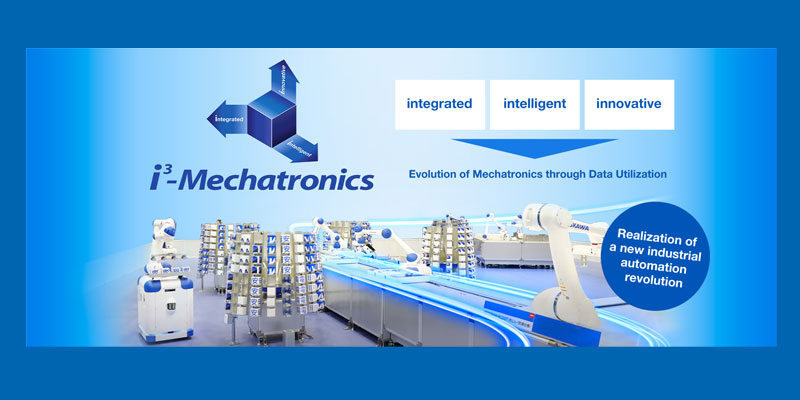
Yaskawa has been evolving “Mechatronics,” aiming at a new industrial automation revolution. In 2017, Yaskawa proposed a solution concept called “i3-Mechatronics,” which added elements of digital data management.
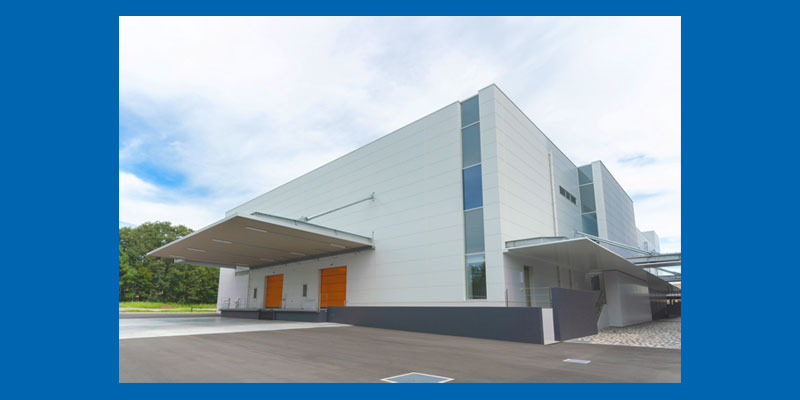
Yaskawa’s solution factory, which has become the mother factory of servos and a demonstration site for the i3-Mechatronics solution, is now fully operational.
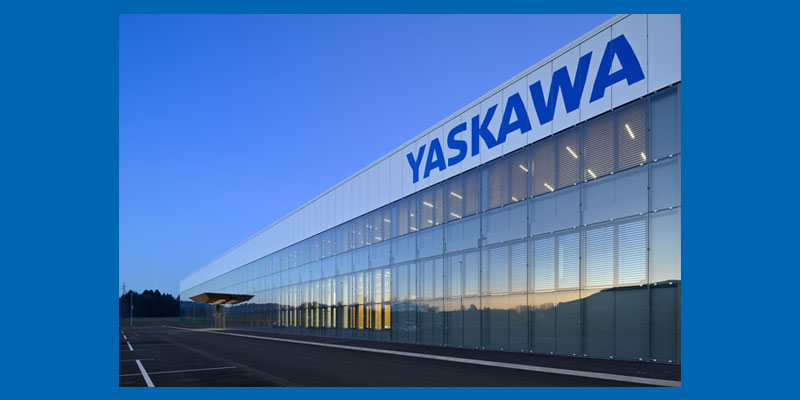
YASKAWA Europe Robotics d.o.o. (Slovenia) begins production of industrial robots.
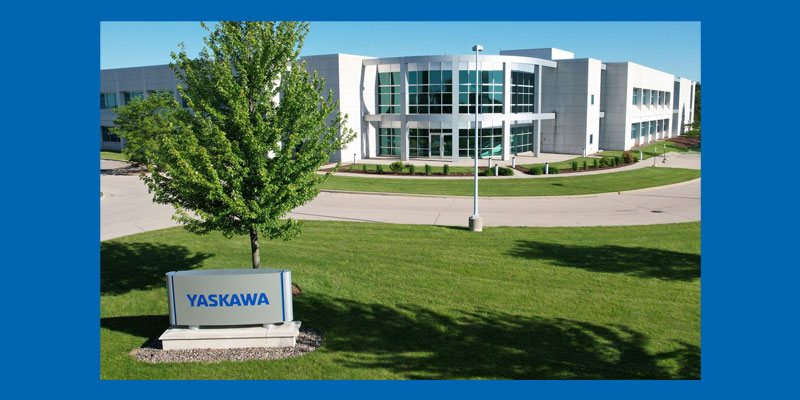
Yaskawa's Drives Value Add plant relocates to Franklin, and Yaskawa announces the consolidation of its Wisconsin and Illinois facilities into a new Campus in Franklin, WI, over the next 8-10 years.
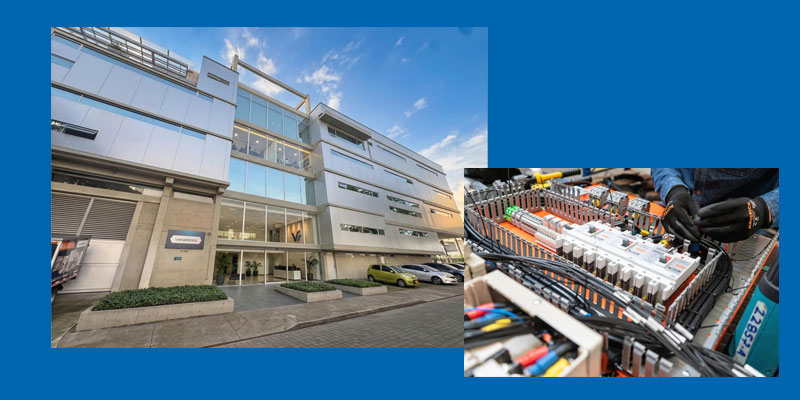
Yaskawa acquired Variadores SAS, longtime partner and variable speed drive supplier in Colombia, South America.